
BACK
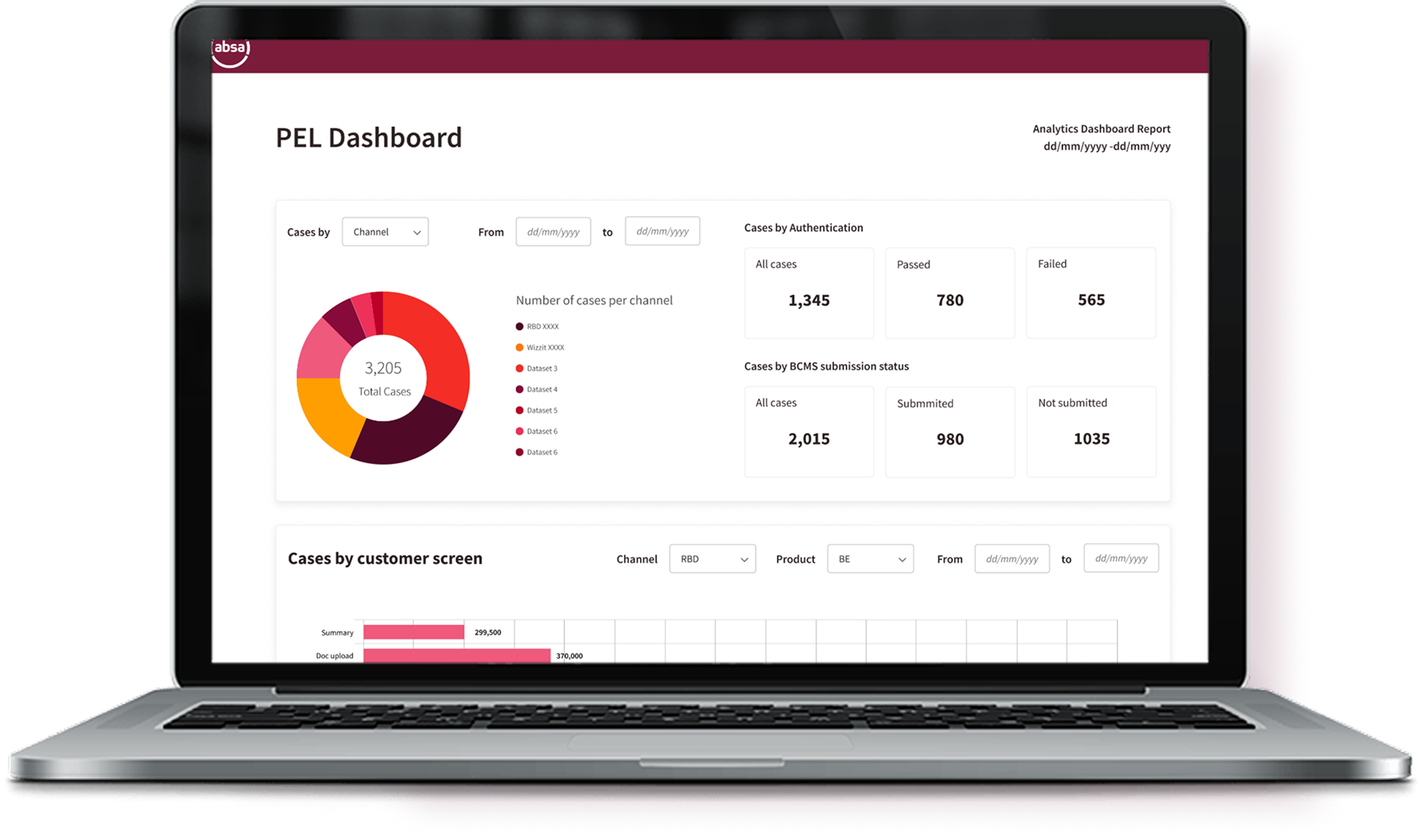
An internal dashboard for dev colleagues to be able
to track their application based on the channel.
What can I do to address the problem?
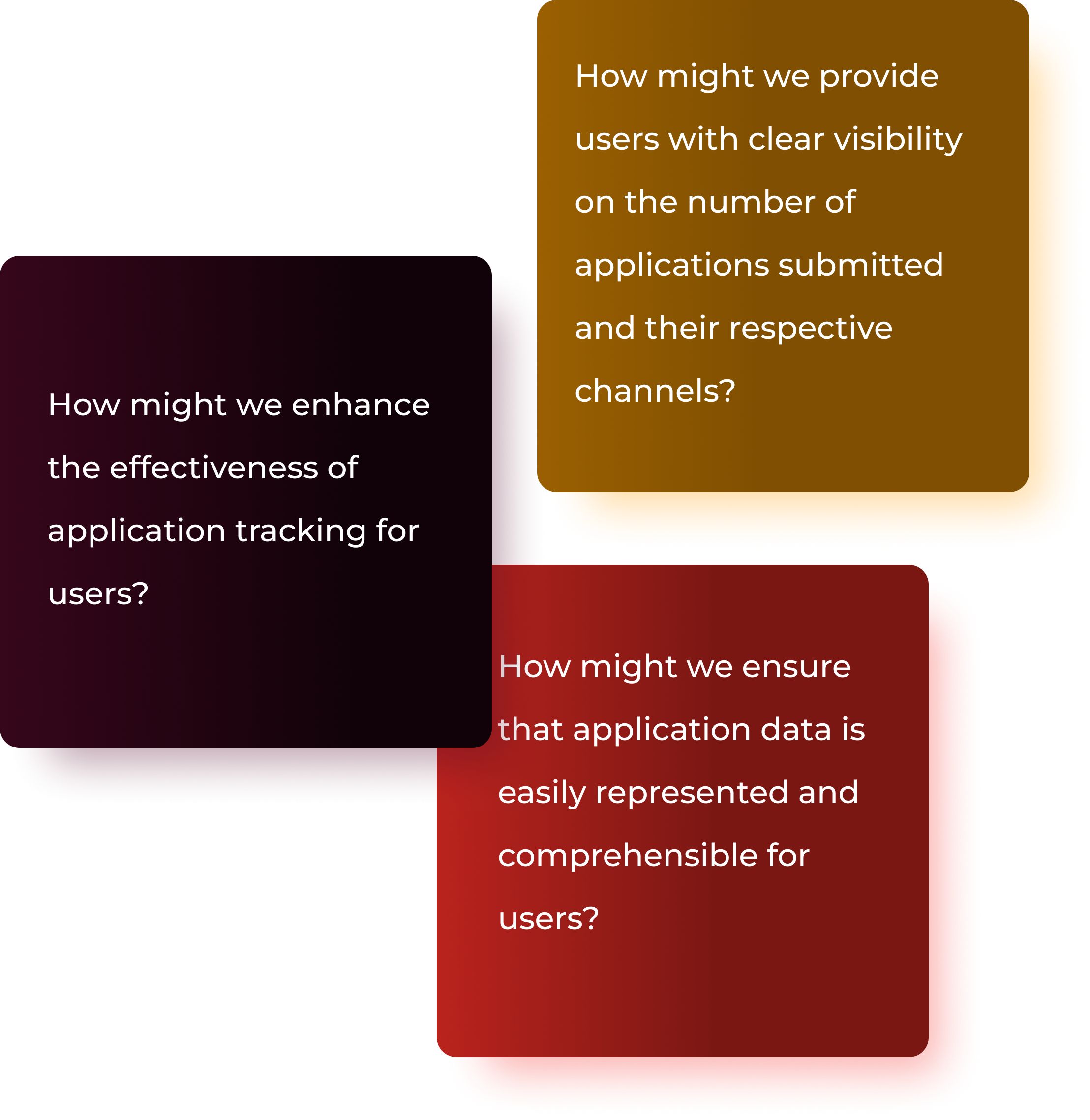
The Relationship Banking Development team faced difficulties in tracking customer applications due to limitations in their current tracking tool.
The tool only allowed for tracking applications based on product type and did not provide the capability to track applications by the channel through which they were submitted, such as the app or web platform.
In response to this challenge, I was tasked with developing an interim design solution that would enable the development team to track applications based on both the product and the channel from which they were submitted.
Additionally, it was specified that since this project was an internal initiative driven by the development team rather than a business requirement, the final deliverable was not required to adhere to conventional design systems typically used for business-driven projects.
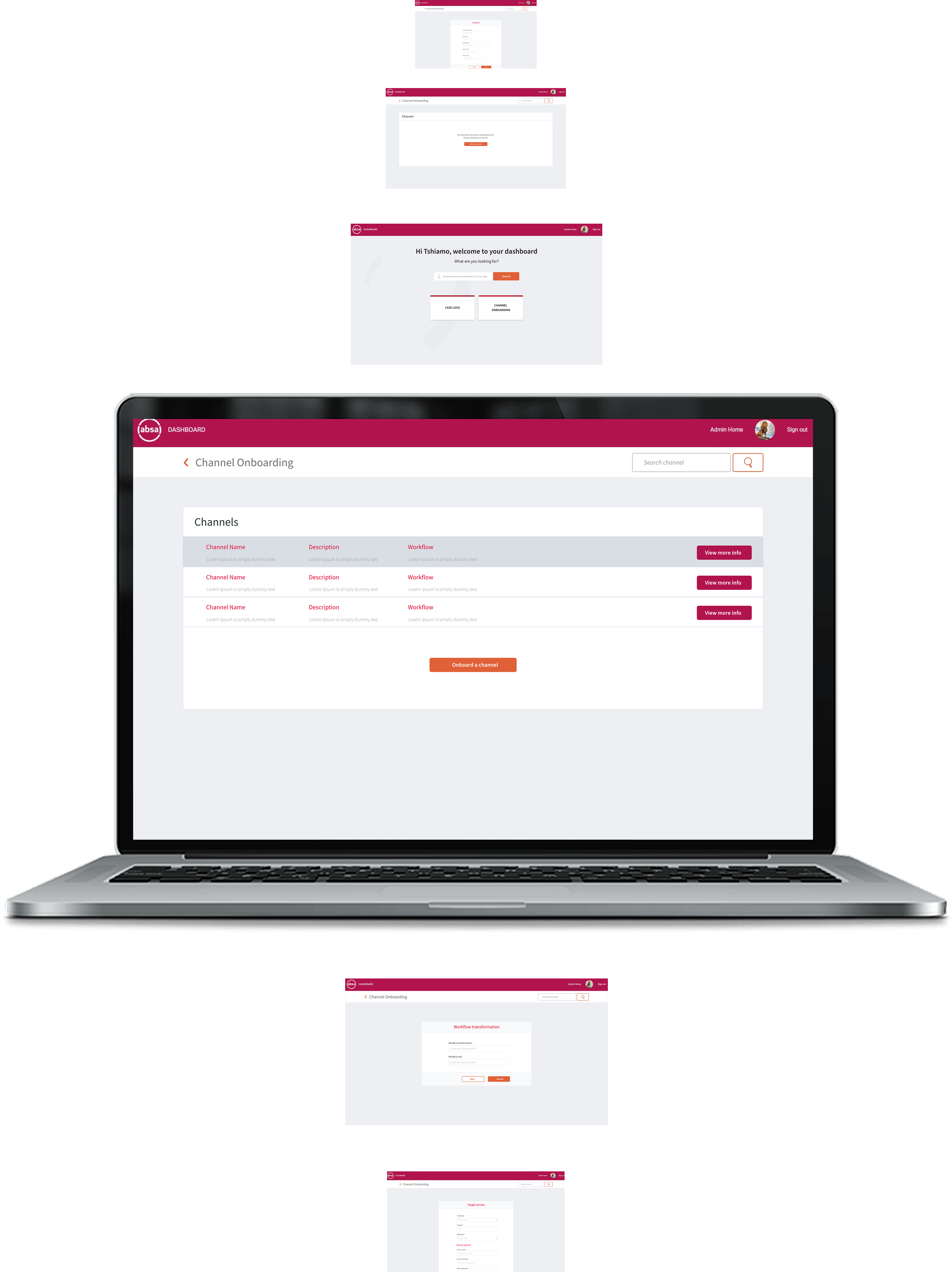
During the research and discovery phase of the project, I took into consideration the fact that it was not originally a business requirement.
To align with Absa’s internal colleague portals, such as Workday, I conducted research to understand their design components. I aimed to replicate these components while maintaining the Absa theme and ensuring a positive user experience.
Additionally, I collaborated closely with developers and process engineers to gain a deeper understanding of the project requirements and to identify any challenges they were facing. This collaborative effort allowed me to not only address their specific needs but also uncover opportunities where the final deliverable could be beneficial to other stakeholders within the business, beyond just the developers.
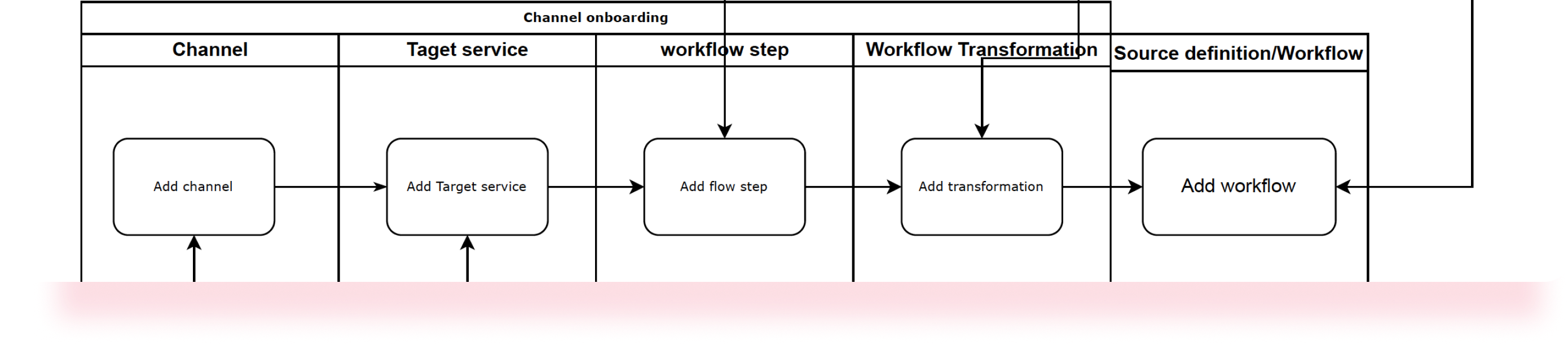
The final design and implementation resulted in a tool that provided users with the following capabilities:
1. Channel Onboarding: Users could onboard a new channel by following a step-by-step workflow. This process involved creating all the necessary endpoints required for the channel’s integration.
2. Dashboard Visibility: Once onboarded, the channel would be prominently displayed on the dashboard. This allowed users to easily access and monitor the applications submitted through that specific channel.
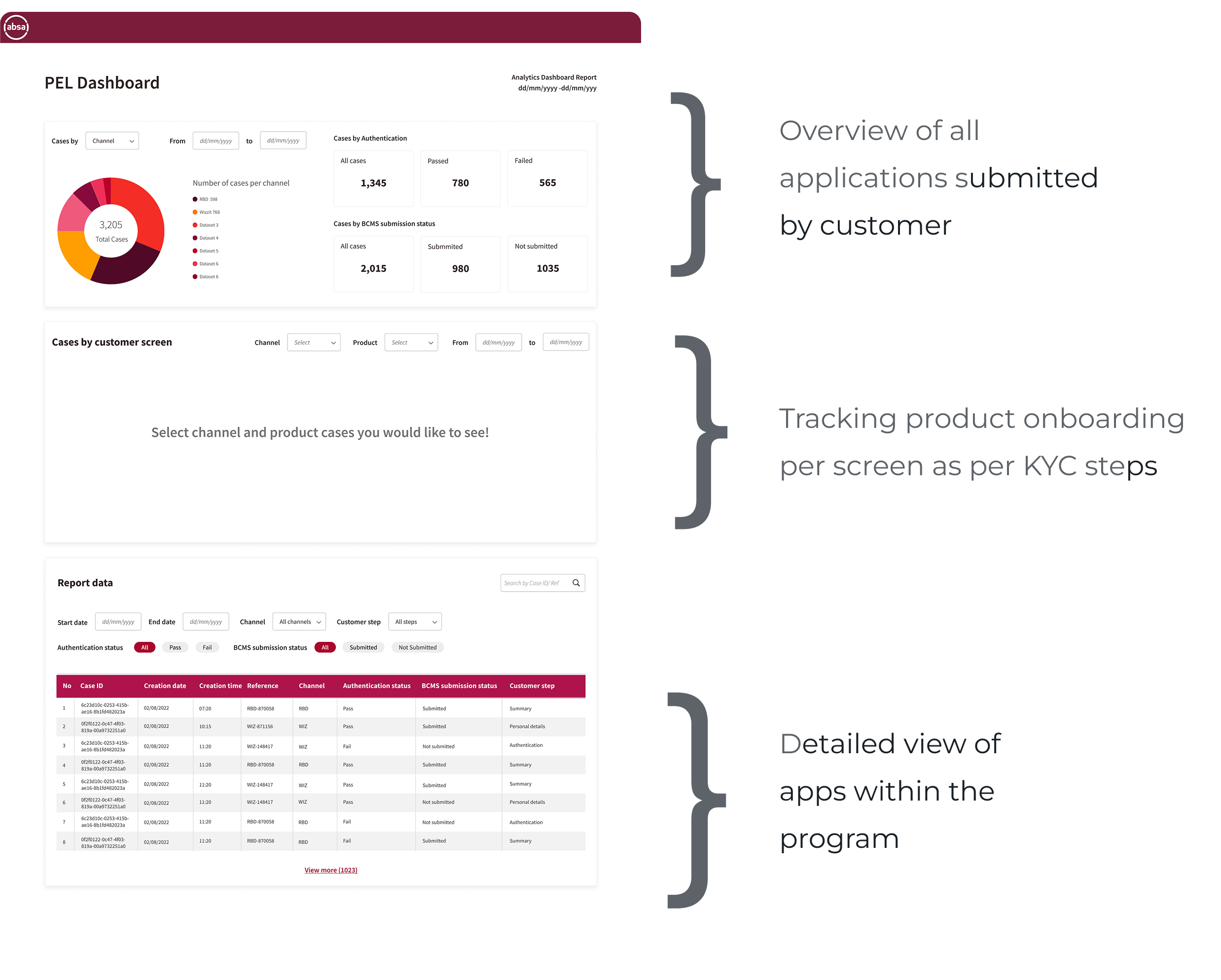
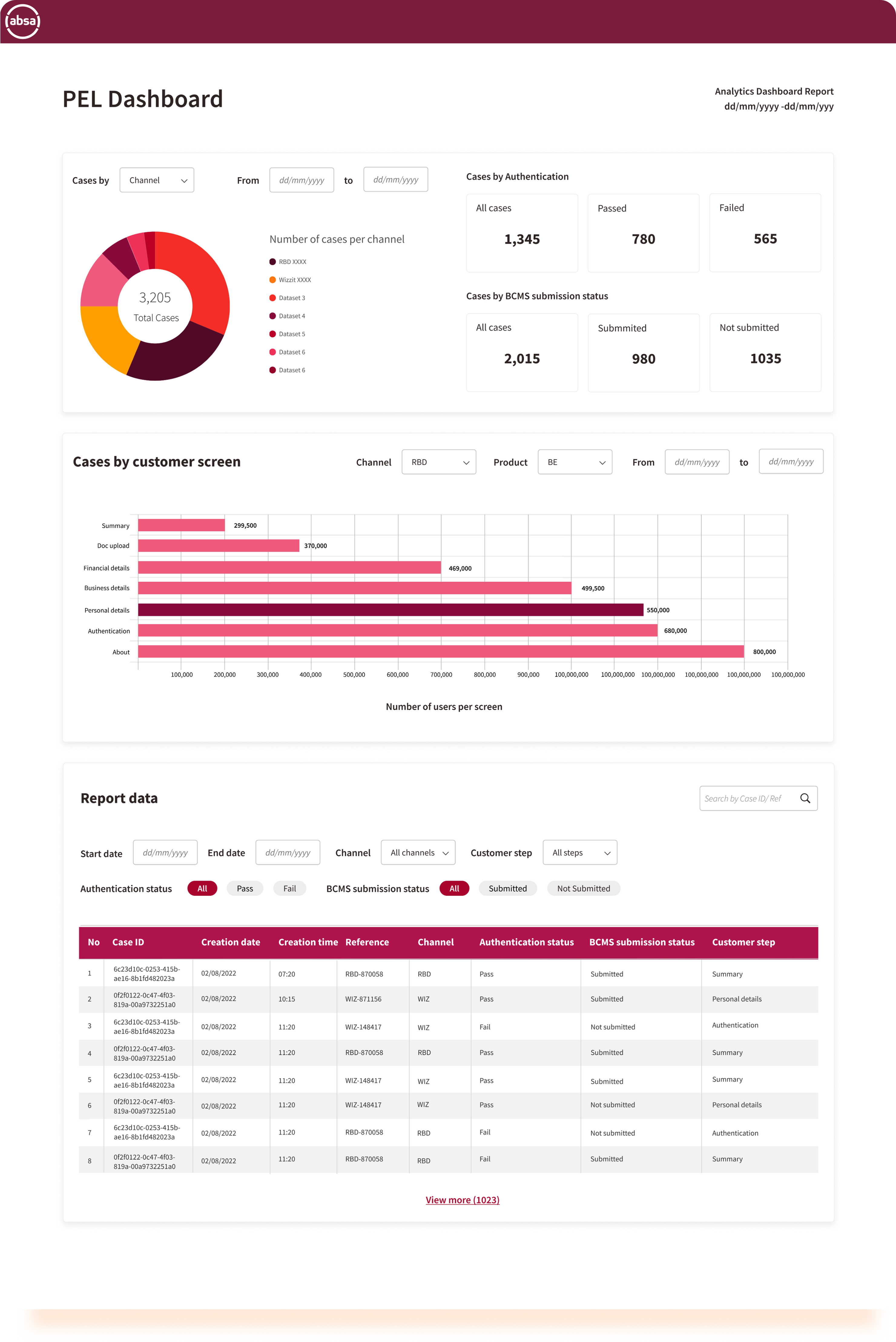
Furthermore, the tool organized and presented applications based on both the product and the channel they were submitted from, providing users with a comprehensive view of the application data within their desired context.
Conclusion and Takeaways

The development of the PEL Dashboard demonstrates the importance of addressing specific limitations in existing tools, such as lack of tracking by channel and product type. This highlights the need for custom solutions tailored to user requirements.
Collaboration with developers and process engineers ensures that the solution is both functional and user-centric, meeting the needs of all stakeholders, not just the development team.
Designing for internal initiatives (not tied to strict business requirements) allowed for creative flexibility, enabling unique design solutions aligned with the organization’s style.
The dashboard is supposed to provide a clear, comprehensive view of key metrics, allowing for better tracking and decision-making at a glance.
Deeply understanding the users’ pain points—such as challenges in tracking applications across channels—leads to impactful solutions.
Conducting research into existing design systems ensures consistency and aligns new tools with established standards, enhancing user experience.
Attempting various interface solutions before arriving at the final design ensures that the best possible approach is implemented.
Representing data in an easily digestible manner, such as charts and segmented views, improves usability and insights for the end users.
Including features like onboarding workflows ensures smooth user adoption, especially for complex processes like channel integration.
Even when a tool is designed for a specific team, it can uncover opportunities and provide value across other business units.